
 Adobe
Adobe  Sitecore
  Gradial
  PEGA
PEGA Cut Costs, Not Capability: A Smarter Workforce Model
Dec 15, 2025 | 3 min
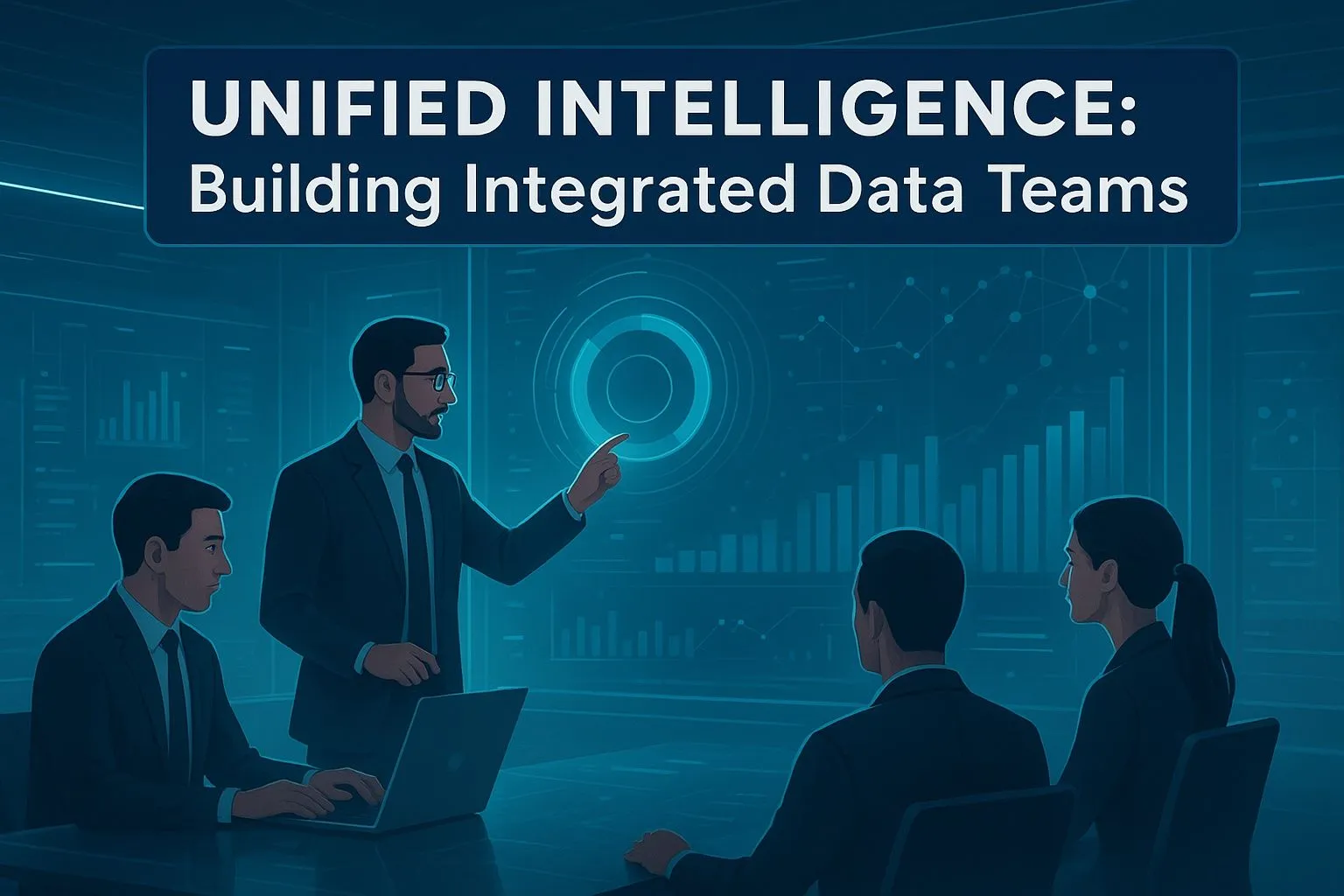
In today’s uncertain economic climate, organizations are under increasing pressure to control costs without disrupting critical operations. Leaders face a difficult balancing act: reducing overhead while ensuring teams remain productive, engaged, and aligned to business priorities. Workforce continuity is no longer a “nice to have”—it’s essential to stability, growth, and customer satisfaction.
The organizations that succeed are those that rethink traditional workforce models and adopt more flexible, outcome-driven approaches to talent.
The Cost of Traditional Workforce Models
Fixed headcount, siloed teams, and rigid staffing structures often create unnecessary overhead. When demand fluctuates, companies are forced into reactive decisions—hiring freezes, layoffs, or costly contractor churn—that disrupt momentum and erode institutional knowledge.
Common challenges include:
- High costs tied to full-time headcount
- Long hiring and onboarding cycles
- Knowledge loss during layoffs or turnover
- Overreliance on short-term contractors
- Difficulty scaling teams up or down efficiently
These challenges can slow innovation and place additional strain on existing employees.
Looking for ways to optimize costs without sacrificing delivery?
Ciberspring helps organizations build flexible workforce models that reduce overhead while keeping critical work moving.
Let’s schedule a quick conversation to explore your options.
A Smarter Approach to Workforce Continuity
Reducing overhead doesn’t have to mean reducing capability. Leading organizations are shifting toward hybrid workforce strategies that blend internal talent with flexible delivery models.
Key components include:
1. Flexible Talent Models
Dedicated pods, managed services, and outcome-based teams allow organizations to pay for results rather than fixed roles—eliminating idle capacity while maintaining continuity.
2. Scalable Delivery
Teams can expand or contract based on demand without repeated hiring cycles, minimizing disruption and preserving institutional knowledge.
3. Cross-Functional Alignment
Well-structured delivery teams combine technical expertise, domain knowledge, and leadership—reducing handoffs and increasing productivity.
4. Embedded Automation & AI
AI-enabled workflows reduce manual effort, allowing leaner teams to deliver more without increasing costs.
5. Knowledge Retention
Continuity is preserved by stable, long-term teams that document processes, understand systems, and stay aligned with business objectives.
Business Benefits of Reducing Overhead the Right Way
When organizations modernize their workforce approach, the impact is measurable:
- Lower operational costs without sacrificing performance
- Consistent delivery through market shifts and demand changes
- Improved employee morale by reducing burnout and uncertainty
- Faster execution through streamlined teams and processes
- Greater resilience in the face of change
This approach creates stability while freeing up resources to invest in growth initiatives.
How Ciberspring Supports Sustainable Workforce Models
Ciberspring partners with organizations to design workforce strategies that balance cost efficiency with continuity. Our approach includes:
- Managed services and delivery pods
- Flexible staffing and augmentation
- AI-enabled delivery frameworks
- Global talent models aligned to business outcomes
- Long-term team continuity with built-in scalability
We help teams reduce overhead without sacrificing quality, speed, or institutional knowledge.
Ready to reduce overhead while keeping your workforce strong and consistent?
Let’s connect to discuss how Ciberspring can support your team with a flexible, cost-effective delivery model tailored to your needs.
Author

Tom Boller Jr.

Sales Director - Digital
Share this article


Speak With Our Team
Share this article