
 Adobe
Adobe  Sitecore
  Gradial
  PEGA
PEGA Salesforce Agentforce vs Traditional CRM Automation
Jan 07, 2026 | 4 min read
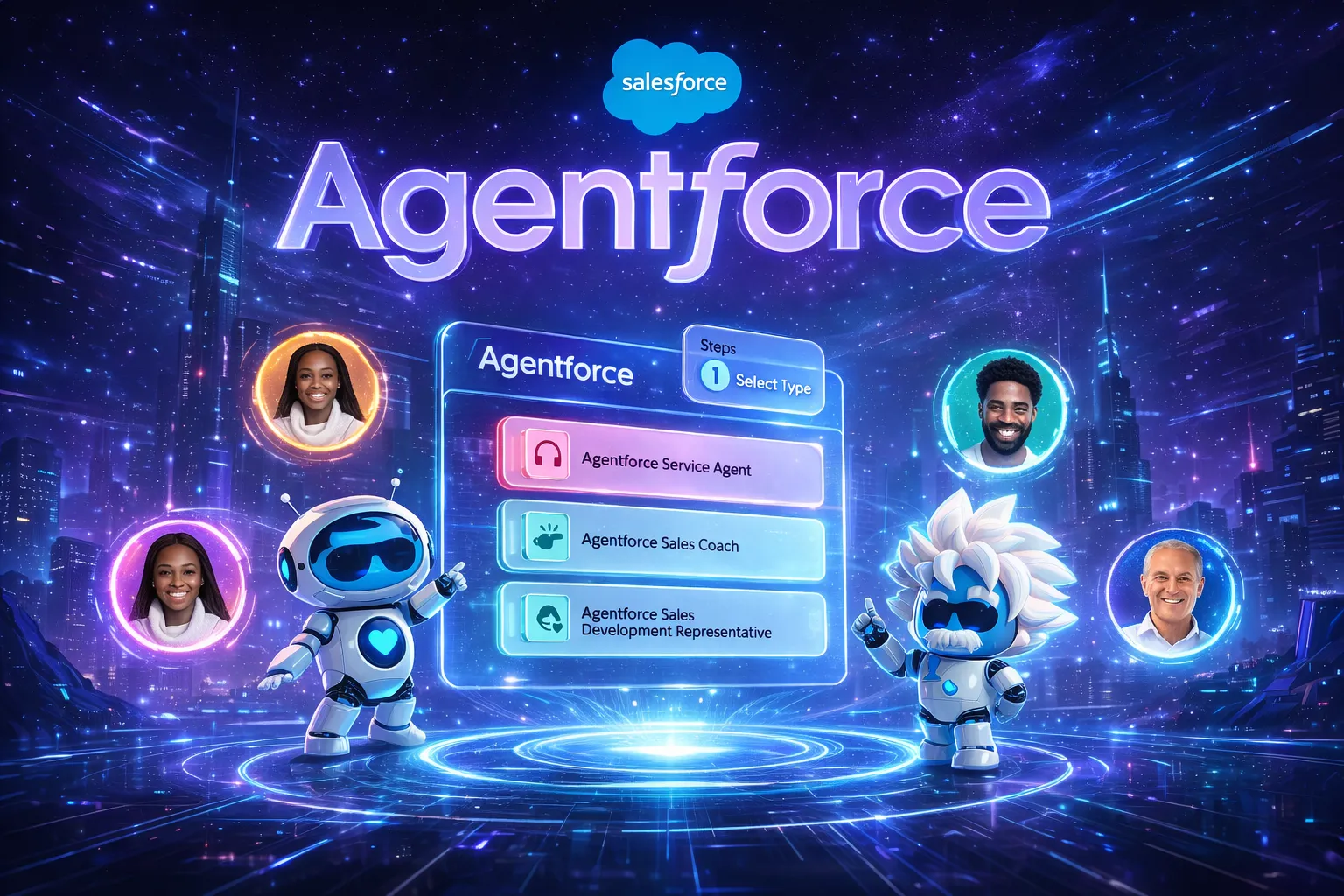
Pharma marketing teams already have CRMs. The real question is this: are you using a system that logs work, or a system that helps move work forward.
That is where Salesforce Agentforce changes the conversation.
Quick answer
Agentforce adds autonomous AI agents that can take action. Traditional CRM automation mainly follows rules you set ahead of time.
If you are a pharma marketer, that difference shows up in three daily bottlenecks:
- Building and updating segments
- Personalizing content without breaking compliance
- Keeping audit-ready proof of what happened and why
AI Overview
What it is: Agentforce is Salesforce’s platform for autonomous AI agents that can answer questions and take actions inside Salesforce.
Who it is for: Teams that run high-volume campaigns and need faster execution without losing governance.
Main risk: AI can create content or decisions that do not match approved policy, approved claims, or privacy rules.
How to address this risk: Start with one controlled use case, then build guardrails, logging, and review steps into the workflow.
What “traditional CRM automation” looks like in pharma
Traditional CRM automation is usually rules, triggers, and templates.
A few examples pharma marketers live with every week:
- A journey sends an email after an HCP opens a message
- A task is created after a rep visit
- A segment refresh runs nightly
- A report is pulled weekly for MLR and leadership
Platforms like Veeva CRM Approved Email are designed for compliant execution, with content approved through Vault workflows so teams stay inside the lines. That is a big advantage in regulated marketing. It also means personalization is often limited to what has already been reviewed and packaged.
Other systems like IQVIA Orchestrated Customer Engagement (OCE) focus heavily on coordinating omnichannel engagement and aligning sales and marketing across channels.
This is strong, proven infrastructure. But it is still mostly “if X happens, do Y.”
What Agentforce changes for pharma marketers
Agentforce is built for autonomous agents, not just automation rules.
Salesforce describes Agentforce as a proactive AI application that can answer questions and take actions, with the goal of a “digital labor force” that supports teams 24/7. Agentforce overview
For marketers, Salesforce positions autonomous agents as tools that can help create, manage, and optimize campaigns end to end, including generating briefs, segments, and content, and even building journeys in automation tools. Autonomous agents for marketing
That matters because it shifts work from:
- “Marketer builds everything”
to - “Marketer supervises and approves what the agent produces and executes”
In practical terms, the big change is speed with control.
If you want help identifying the first Agentforce use case that will actually remove friction in your campaign workflow, you can talk with CI Life.
Feature comparison through the lens of daily marketing work
1) Automation: rules vs agents that take action
Traditional CRM automation is good at repeating known steps.
Agentforce-style agent automation aims to handle messy work like drafting, summarizing, routing, and adjusting based on what it sees.
Salesforce’s view of agentic marketing is that autonomous agents turn one-way channels into two-way conversations and help with personalization and optimization. That direction is especially relevant in pharma, where timing, channel choice, and message consistency can make or break engagement.
2) Personalization: segments vs context-aware next steps
Traditional systems personalize by segment. That is safer, but it is slower.
Agent-led workflows aim for “next best step” at the individual level, based on context.
That could look like:
- An agent suggesting the next best approved asset for a specific HCP
- An agent generating a compliant draft that mirrors approved language patterns
- An agent escalating high-risk requests to Medical instead of letting them sit
3) Compliance: audit trails vs guardrails plus audit trails
Pharma marketing does not get to “move fast and break things.” It gets to “move fast and prove it.”
Traditional CRMs support audit trails and approved content libraries. That is why they are trusted.
Agentforce adds a different layer: guardrails designed for safe AI use.
Salesforce’s Einstein Trust Layer includes protections like grounding in CRM data, masking sensitive data, toxicity detection, audit trail and feedback, and zero data retention agreements with third-party model partners.
For U.S. pharma marketing, this type of approach pairs well with the need for documented controls and evidence, including promotion rules around misleading claims and fair balance. For reference, FDA drug advertising is regulated under rules such as 21 CFR Part 202.
Why this matters in the U.S. market
Two pressures make this comparison more urgent in the U.S.:
- Trust and compliance scrutiny are high
- The cost of delays is real
Plus, transparency requirements like Open Payments add another layer of reporting and governance that touches CRM data, workflows, and documentation.
Agentic systems do not remove these requirements. They raise the bar for how clearly you must define and enforce controls.
Where Agentforce can be uniquely valuable for pharma marketing
Agentforce tends to shine when the problem is not “send the email,” but “do the work around the email.”
High-impact pharma marketing use cases include:
- Campaign build acceleration: Use an agent to draft briefs, segment logic, and journey steps, then route for review. Autonomous agents for marketing
- Compliance-first content drafting: Generate variants that stay grounded in approved sources and policies. Einstein Trust Layer
- Always-on operational support: Agents that answer internal questions, summarize performance, and create next actions for the team. Agentforce
If you are evaluating Agentforce, the win is not “AI wrote my copy.” The win is “campaign work stopped stalling in handoffs.”
What we recommend before you invest heavily
A smart rollout usually starts small and controlled:
- Pick one workflow with clear inputs and clear guardrails
- Define what data the agent can use
- Restrict outputs to approved sources and templates
- Log everything: prompts, sources, actions, approvals
- Prove the value, then scale
If you want a practical plan for doing this inside your existing MLR process, connect with CI Life. We help marketing teams build governed AI workflows that move faster without creating risk.
Related read
If you are building compliant AI habits inside marketing, you will also like: A Pharma Marketer’s Guide to Compliant AI Copy.
Bottom line
Traditional pharma CRM automation is strong at repeatable execution. Agentforce is built to add agents that can reduce the human effort around execution.
The best path is not replacing your CRM. It is upgrading how work moves through it, with compliance and proof built in.
Author

Marcus Calero

Marketing Content Manager
Share this article


Subject Matter Expert

Claudia Beqaj
Managing Partner - Health and Life Sciences
Driving impact across the pharmaceutical landscape with over two decades of cross-functional leadership.
Speak With Our Team
Share this article